July 7, 2026
Shampoo Bars for Beards: What Works, What Not
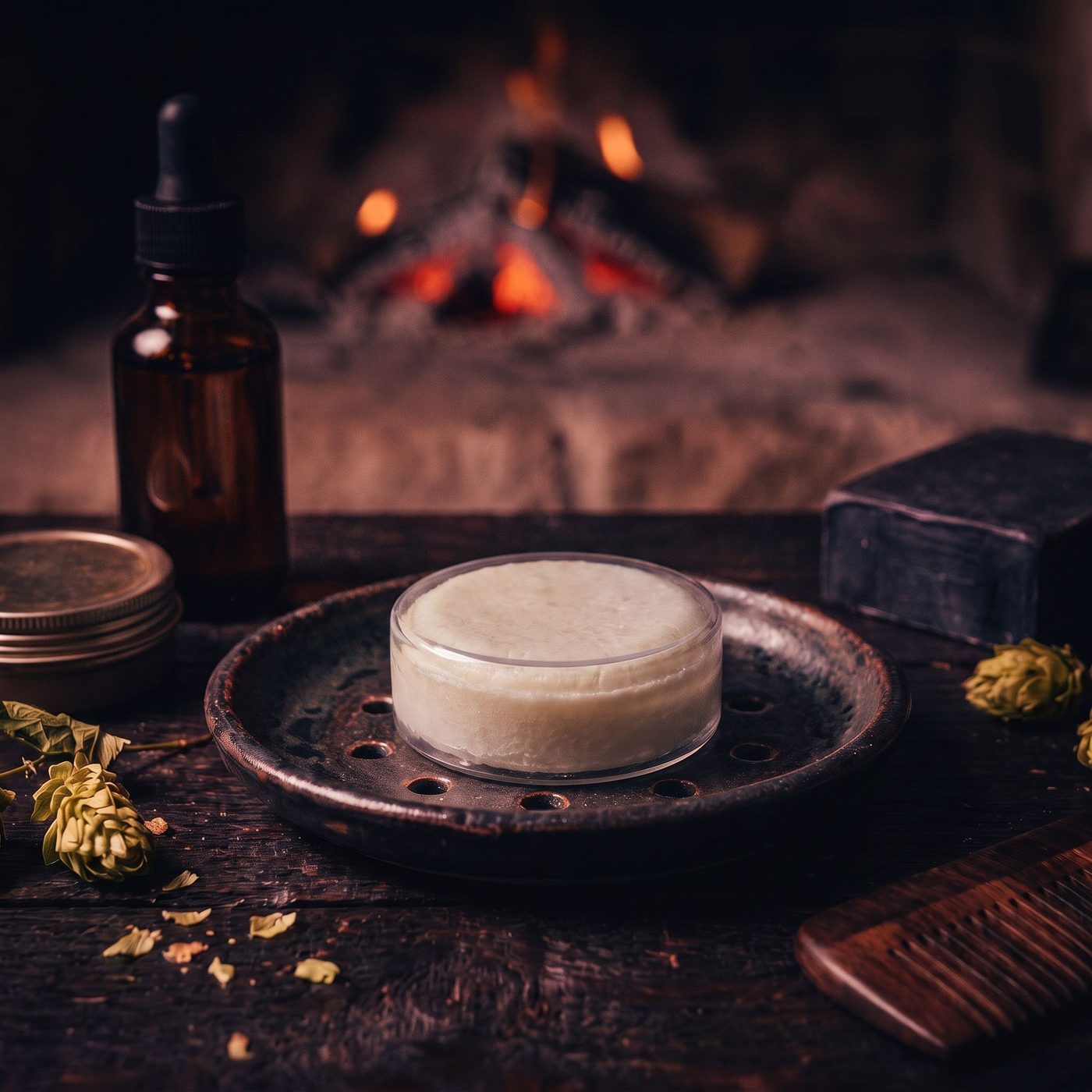
Yes, shampoo bars work well on beards, but only the right kind. Beard hair is coarser and drier than scalp hair, and the skin underneath is often irritated by fragrance or high pH. Use a low lather, moisturizing bar built for facial hair or skin (not a scalp clarifying bar), follow with a leave-in oil or balm, and skip anything with heavy sulfates or strong essential oil loads.
Can you use a shampoo bar on your beard safely?
Yes. A well-formulated bar cleans beard hair and the skin beneath it without stripping either one. The key is matching the bar to the job. Beard skin is closer to facial skin than to scalp skin, so it needs gentler surfactants and more conditioning oils than a bar built to cut through scalp buildup.
The solid bar category has grown fast because people are looking for exactly this kind of targeted, less wasteful option. The global solid shampoo market is projected to grow from about 1.023 billion USD in 2025 to 2.5 billion USD by 2035, a compound annual growth rate near 9.3 percent (Wise Guy Reports). Beard-specific bars are a slice of that growth, driven by the same demand for simpler, more concentrated products.
What is the difference between a shampoo bar and a body soap bar?
This is the mistake most guys make. Body soap bars are formulated to clean skin fast and rinse clean, often with a higher pH and stronger degreasing action. That is fine for your torso. On a beard, that same formula pulls moisture out of both the hair shaft and the skin, leaving the beard rough and the skin underneath tight or flaky.
A true shampoo bar, especially one made for beards, is formulated closer to skin pH and carries more emollient oils to offset the cleansing agents. Here is a simple way to compare the three common bar types:
| Bar type | Best for | Watch out for |
|---|---|---|
| Body soap bar | Torso, arms, legs | Too drying for beard hair and face skin |
| Standard shampoo bar | Scalp hair, oily roots | Can still be too stripping for coarse beard hair |
| Beard or facial bar | Beard hair and facial skin | Look for added oils, avoid high fragrance load |
If you only own one bar for your whole body, your beard is probably losing that trade every time.
What should you avoid if your beard feels like straw after washing?
Straw texture right after a wash is almost always one of three things: too much surfactant, too little conditioning oil, or hard water stripping the bar's benefits before they can work. Start by checking the ingredient list on whatever bar you are using now.
Avoid or limit these if your beard feels rough, brittle, or flyaway after drying:
- Sodium lauryl sulfate (SLS) as a primary surfactant, it is efficient but harsh on coarse hair
- Heavy fragrance oils with no carrier oil to balance them
- Bars with alcohol high on the ingredient list, which speeds drying
- Skipping a leave-in oil or balm entirely after the wash
A shampoo bar cleans, but it is not designed to be the last step. Beard hair almost always needs a follow-up oil or balm to seal in moisture the bar cannot leave behind on its own. If straw texture persists after switching bars and adding a leave-in step, hard water mineral buildup is worth checking next.
How often should you wash your beard with a bar?
Two to three times a week is a reasonable starting point for most beards. Daily washing with any shampoo product, bar or bottle, tends to overstrip natural oils faster than skin and hair can replace them. On non-wash days, a quick rinse with warm water and a comb-through is usually enough.
Coarser, longer beards can often go down to twice a week. Shorter or oilier beards may need three washes. Watch your skin underneath more than the hair itself. Flaking or tightness is the clearest sign you are washing too often or using too harsh a bar.
One argument in favor of switching to bars at all: cost and waste. Market research on the category notes that a single salon quality shampoo bar can last up to 80 washes and can replace two to three bottles of liquid shampoo (Fortune Business Insights). That math holds for beard bars used at two to three washes a week, since a bar this size stretches for months rather than weeks.
How do you store a bar so it lasts longer and stays clean?
Storage is where a lot of the bar's lifespan gets wasted. A bar sitting in standing water softens, cracks, and burns through faster than one that gets to dry out between uses. This matters even more for beard bars, which tend to be softer and more oil-rich than a standard shampoo bar.
A few habits that extend a bar's life:
- Use a soap dish with drainage grooves or a raised grate, never a flat dish
- Let the bar air dry fully between washes rather than leaving it in a wet shower caddy
- Keep it away from direct water spray when not in use
- Slice a large bar in half if you are not using it daily, and store the unused half somewhere dry
We wrote a full breakdown of bar lifespan and how to stretch it further, including how the math changes for shampoo versus conditioner bars, in how long shampoo and conditioner bars actually last. If you travel with your beard routine, our bars versus bottles for travel post covers what holds up in a dopp kit and what does not.
What should you actually look for when picking a beard bar?
Ingredient order matters more than marketing language on the front label. Look for a short list with recognizable oils near the top (shea, coconut, olive, or similar) and a mild surfactant base rather than SLS as the first or second ingredient. Fragrance, if present, should be low enough that it does not sting or dry out facial skin.
A bar that lathers a little less but leaves your beard soft when dry is doing its job correctly. A bar that lathers heavily and leaves your beard tight afterward is built for scalp hair, not facial hair, no matter what the label says.
If you want to see how a purpose-built beard bar compares against what is currently in your shower, our full product lineup breaks down what each bar is formulated to do. And if you are still deciding whether solid bars fit your routine at all, our free guide walks through the basics before you commit to switching.
Your beard is not your scalp and it is definitely not your torso. Treat it like its own thing, pick a bar built for that job, and follow up with oil. That combination is what actually stops the straw texture, not just switching to any bar because it is solid instead of liquid.