September 15, 2026
The First 30 Days: What to Expect When You Start Growing a Beard
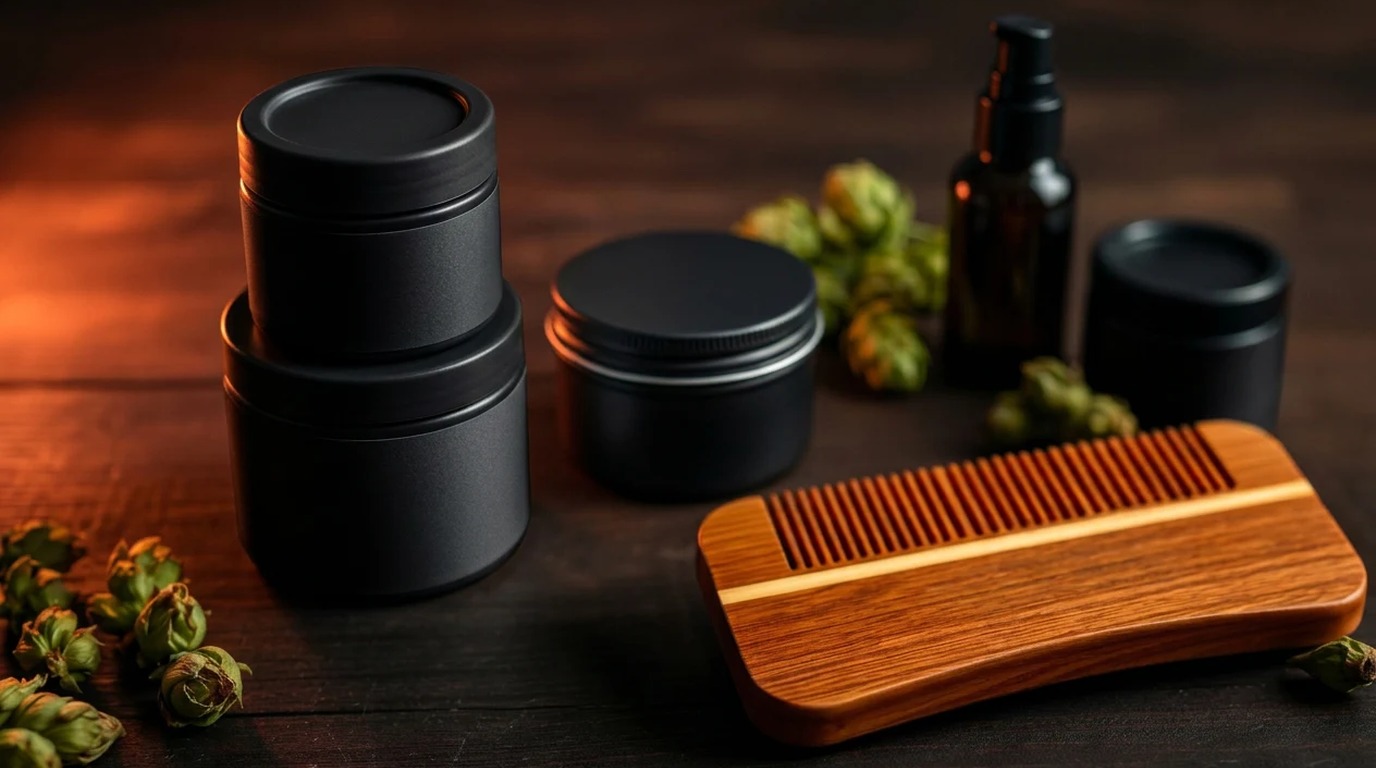
The first 30 days of growing a beard are when most men give up. Not because they can't grow one, but because nobody warned them about the itch that peaks around day ten, the patchy phase that looks worse before it looks better, or the moment around week three when you'll stare in the mirror and wonder if this was a mistake. It wasn't. Here's what's actually happening and why the men who push through are glad they did.
What Happens in Week One of Beard Growth?
Week one is the honeymoon phase. The stubble looks intentional, the skin has not rebelled yet, and you feel like you made a real decision. What is actually happening is simpler than it looks. Shaving used to cut the hair at an angle, so the emerging tips feel sharp against your fingers. Your follicles are doing what they always do, pushing hair out at roughly half an inch per month. You just stopped interrupting them.
The skin underneath is also adjusting. For years, a blade scraped across it almost daily. Now it has to recalibrate its own oil production without that constant exfoliation. Some men get a little dryness. Others get a little extra oil. Both are normal. The only job this week is to leave it alone and let the process start.
Why Does the Itch Hit So Hard in Week Two?
The itch usually peaks around days ten to fourteen because sharp stubble tips are now long enough to bend back against the skin, and the skin is still figuring out how much oil to make. It is mechanical irritation plus dryness, not a sign that your beard is failing.
Here is what is driving it and what actually helps:
- Dry skin under the stubble. A few drops of beard oil worked into the skin, not the hair, fixes this faster than washing more.
- Sharp hair ends rubbing the neck and jaw. This calms down once the tips soften with length, usually by week three.
- Overwashing. Stripping the skin twice a day makes the itch worse. Rinse with water most mornings and wash only a couple of times a week.
- Sleeping on a cotton pillowcase. Cotton pulls moisture from the skin and roughs up the hair. A silk or satin pillowcase reduces both.
- Touching it all day. Your hands transfer oil and bacteria to the skin and keep the hair bent against your face. Leave it alone.
The itch is real, but it is temporary. Most men who quit do it right here, right before the hair gets long enough to stop being annoying.
What Is the Awkward Phase and How Long Does It Last?
The awkward phase is the window when your beard is long enough to look messy but not long enough to look intentional. It usually starts late in week two and runs through the end of week four. Cheeks may look patchy. The mustache may grow faster than the rest. The neck can look unruly while the chin still seems thin.
This is the phase where every man thinks he is the exception who cannot grow a beard. You are not. The patchiness is usually a lighting and length problem, not a follicle problem. Hair grows at different speeds and directions. Some areas activate later. Once everything has another few weeks of length, the patches fill in visually or become part of the texture.
Resist the urge to trim it into shape too early. Shaping a beard in week three is like sculpting wet clay before it has settled. Let it grow another two to four weeks, then clean up the lines.
When Should You Start Using Products?
You can start as soon as the skin feels dry or the itch shows up, usually around day seven to ten. You do not need a full shelf. Two things are enough for the first month.
A light beard oil, three to five drops, warmed in your palms and pressed to the skin under the beard first. This handles the dryness and the itch at the source. The hair gets the leftovers when you pull your hands through, which is plenty at this length.
A wooden comb, used once or twice a day, trains the hair to lay in the right direction and prevents the stubble from curling back into the skin. Comb after the oil, not before, so you are not dragging a dry comb across dry skin.
Balm is optional in the first 30 days unless your beard is already long enough to need hold. For most men, balm becomes useful closer to week four or five, when the hair has enough length to actually be shaped.
What Does Week Three Actually Look Like?
Week three is the mental test. The novelty has worn off, the itch may still be hanging around, and the mirror is not rewarding you yet. This is when most men start bargaining with themselves about whether a beard is really worth it.
Physically, the hair is usually long enough to start laying flat in some places and sticking out in others. The skin underneath has mostly adjusted. If you have been oiling consistently, the itch should be dropping off. If you have been overwashing or ignoring the skin, the itch may still be loud.
This is also the week where other people start noticing. Some will encourage you. Some will make jokes about the patchy spots. Neither opinion matters. You are growing a beard, not conducting a focus group.
How Do You Get Through Week Four Without Shaving?
Week four is the finish line of the first phase. The beard is long enough to look like an actual beard on most men, and the worst of the itch is usually behind you. The trick is to keep going without doing anything that sets you back.
- Do not trim the bulk yet. Clean up the neckline and cheek lines if you must, but leave the length alone.
- Keep oiling daily. By now your skin has adjusted and needs consistent moisture, not more product.
- Wash only when dirty. Two or three times a week is plenty for most men in the first month.
- Take a weekly photo from the same angle. You will not see day-to-day progress, but the four-week comparison will show you exactly why you stayed with it.
- Have a plan for the awkward days. When you want to shave, wait 48 hours. Most of the time the urge passes.
If you make it to day 30, you have already cleared the hardest part. The men who quit did it in week two. You did not.
What Should Your Routine Look Like by Day 30?
By day 30, your routine should be simple, repeatable, and built around the skin under the beard. A solid first-month routine looks like this:
- Morning: Rinse with warm water. Apply three to five drops of oil to the skin under the beard, then comb through. Add a small amount of balm only if you need hold.
- Midweek: Wash once or twice with a gentle beard wash or solid shampoo bar. Follow with a light oil pass while the skin is still slightly damp.
- Evening: Optional. If your skin runs dry or your bedroom is cold, a second light oil pass before bed can help.
- Weekly: Line up the neck and cheeks if needed. Take a progress photo. Check in with your skin and adjust frequency.
That is it. No ten-step routine. No product stacking. Just clean skin, light moisture, and patience.
Does Everyone's First 30 Days Look the Same?
No. Genetics, age, ethnicity, and skin type all change the timeline. Some men have dense stubble by day ten and a full-looking beard by day 30. Others are still filling in patchy spots at day 60. Both can end up with great beards. The first month is not the final verdict.
Younger men sometimes fill in slowly because not all follicles have switched to terminal hairs yet. Men in their 30s or 40s often see faster density because more follicles are active. Coarse, curly hair can look fuller earlier but also needs more moisture. Fine, straight hair may look thinner at first but lays cleaner and shapes easier later.
The only universal rule is that comparison is useless. Your beard is growing on your face, with your follicles, on your schedule. Work with that.
Ready to make the first 30 days easier?
The hardest part of growing a beard is not the hair. It is the uncertainty. If you want a structured plan that walks you through the first week day by day, grab the 7 day starter plan. It covers the wash, oil, and comb rhythm that keeps the itch and the doubt both in check.
When you are ready for products that match the phase you are in, the HAFO shop has oil for the itchy early weeks and balm for when you are ready to shape what you have grown. Both are built on a hop-infused sunflower oil base, because calm skin and a manageable beard should not be complicated.