June 16, 2026
Fragrance in Beard Care: What Sensitive Skin Needs
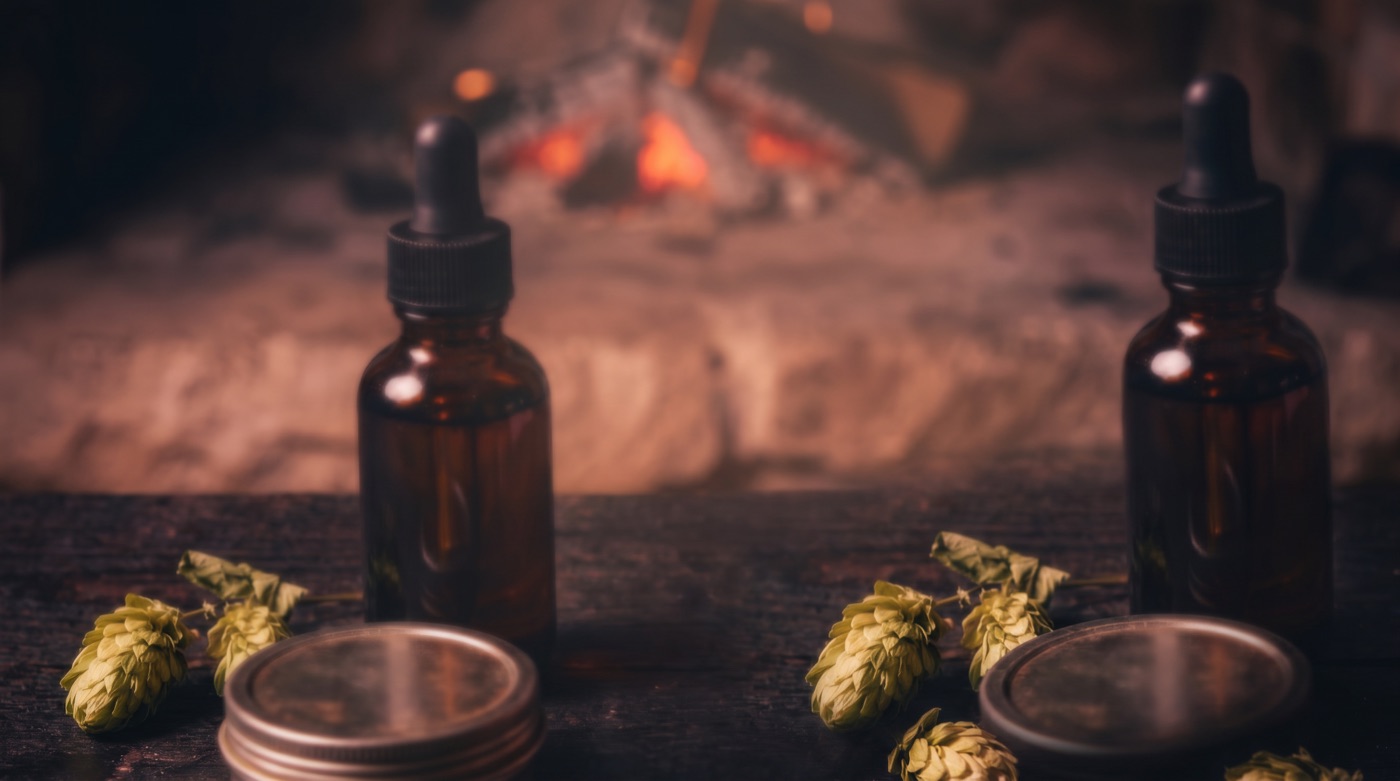
Fragrance, including many essential oils, is the leading cause of cosmetic allergic contact dermatitis, affecting an estimated 1 to 2 percent of the general population. On beard skin, this often shows up as redness, bumps, or itching along the jaw and neck after a new oil or balm. Patch testing and careful label reading both lower your risk.
Is fragrance really a common cause of cosmetic reactions?
Yes, and by a wide margin. Dermatology research names fragrance as the single most common cause of allergic contact dermatitis tied to cosmetic products. In routine patch testing, somewhere between 5.5 percent and 11.4 percent of tested patients show a positive reaction to a standard fragrance mix panel.
That number is likely an undercount. Some relevant fragrance allergy cases are not caught by the standard mix at all, which means real world reaction rates could run higher than the testing panels suggest. If you have ever had a mystery rash after switching soaps, lotions, or beard products, fragrance is a reasonable first suspect, ahead of preservatives, dyes, or anything else on the ingredient list.
This matters more for beard skin than people expect. The area under a beard gets less airflow, holds onto product longer between washes, and gets touched constantly throughout the day. A fragrance ingredient that a hand or forearm might tolerate without issue can still cause a slow buildup reaction on the jawline over weeks of daily use.
Can essential oils still count as fragrance allergens?
Yes. "Fragrance free" and "essential oil free" are not the same claim, and this trips people up constantly. Essential oils are natural, but natural does not mean non-reactive. Oils like tea tree, cinnamon, clove, lavender, and citrus peel extracts all contain compounds that show up on fragrance allergen lists, sometimes at higher concentrations than a synthetic fragrance blend would use.
A product can market itself as free of synthetic fragrance while still carrying a strong essential oil blend that triggers the same kind of reaction. This is not a knock on essential oils generally. Plenty of people use them for years with no issue. It is a reminder that the word "natural" on a label is a marketing claim, not a safety claim, and the two should not be confused when you are choosing what touches your face daily.
If you are shopping by label, look past the word "natural" and check the actual ingredient list. Our guide to reading natural labels walks through how to spot essential oils hiding under different names, including the botanical Latin terms that some brands use instead of the common name.
What does a fragrance reaction look like on beard skin?
Reactions vary by person and by how much exposure you have had over time. Beard skin sits close to the surface and gets rubbed, washed, and re-oiled daily, so it is a common site for buildup irritation. Some people react the first time they try a product. Others use the same balm for months before a reaction shows up, because sensitization can build gradually with repeated low level exposure.
Here is a quick reference for what different signs might mean and what to do next.
| What you notice | Likely meaning | Next step |
|---|---|---|
| Mild redness after one use | Possible irritation, not yet allergy | Stop use, watch 24-48 hours |
| Itching or small bumps along jawline | Early allergic contact response | Discontinue, wash gently, avoid re-applying |
| Recurring rash with the same product | Likely sensitization to an ingredient | Stop entirely, consider patch testing with a dermatologist |
| Swelling, blistering, or spreading rash | Stronger allergic reaction | See a healthcare provider |
If you have trouble breathing or facial swelling, seek urgent care.
None of this is a diagnosis. It is a way to decide how urgently you should act and whether a product is worth retrying at a lower concentration or dropping altogether. If a reaction shows up more than once with different products from different brands, that is also worth mentioning to a dermatologist, since it can point to a specific ingredient rather than a single bad batch.
How can you reduce risk when trying a new scented product?
A few habits cut down your exposure risk without requiring you to give up scent entirely. These work whether the fragrance source is synthetic or essential oil based, and none of them take more than a few extra minutes.
- Patch test on your inner forearm for 48 hours before applying anything new to your face or neck.
- Introduce one new product at a time so a reaction has an obvious cause.
- Check the ingredient list for known allergens like linalool, limonene, cinnamal, or eugenol, all common fragrance components found in both synthetic blends and essential oils.
- Start with a smaller amount than the label suggests, especially with concentrated oil blends, and build up slowly if your skin tolerates it.
- Keep a simple log of what you used and when, so a delayed reaction is easier to trace back to a specific product or ingredient.
If you are building a routine from scratch, our 5-minute beard ritual post walks through a wash, condition, oil, balm order that makes it easier to isolate which step caused an issue, since adding one product at a time also means changing one step at a time.
What should you ask a brand if you are allergy prone?
Direct questions get you further than marketing copy. Ask what specific fragrance or essential oil compounds are in a formula, not just whether
Ready to start your ritual?
Grab the free ritual guide and browse the HAFO shop when you are ready to hop boldly.
What does hop-infused care feel like in real life?
It feels like less itch and more swagger you did not have to fake. Warm a few drops of oil in your palms. Work them into the skin under the beard first, then comb through. Keep the fire. Lose the scratch. If the day runs long, a light balm pass keeps flyaways honest without looking shiny.
- Soft beard. Hard to ignore.
- Smolder responsibly.
- Start Your Ritual when you want the short guide.
- Visit the shop for oil, balm, and bars.
What does hop-infused care feel like in real life?
It feels like less itch and more swagger you did not have to fake. Warm a few drops of oil in your palms. Work them into the skin under the beard first, then comb through. Keep the fire. Lose the scratch. If the day runs long, a light balm pass keeps flyaways honest without looking shiny.
- Soft beard. Hard to ignore.
- Smolder responsibly.
- Start Your Ritual when you want the short guide.
- Visit the shop for oil, balm, and bars.
How HAFO handles fragrance
HAFO scents with skin-safe fragrance oils that Erin and Aaron researched for sensitive skin. Pure essential oils were on the table, but at the strengths a beard product needs they would have priced HAFO out of its local market. If you have a true fragrance sensitivity, patch test first and reach out before you buy: honesty beats a wasted bar.