June 23, 2026
Sensitive Skin Beard Care: Read Labels Fast
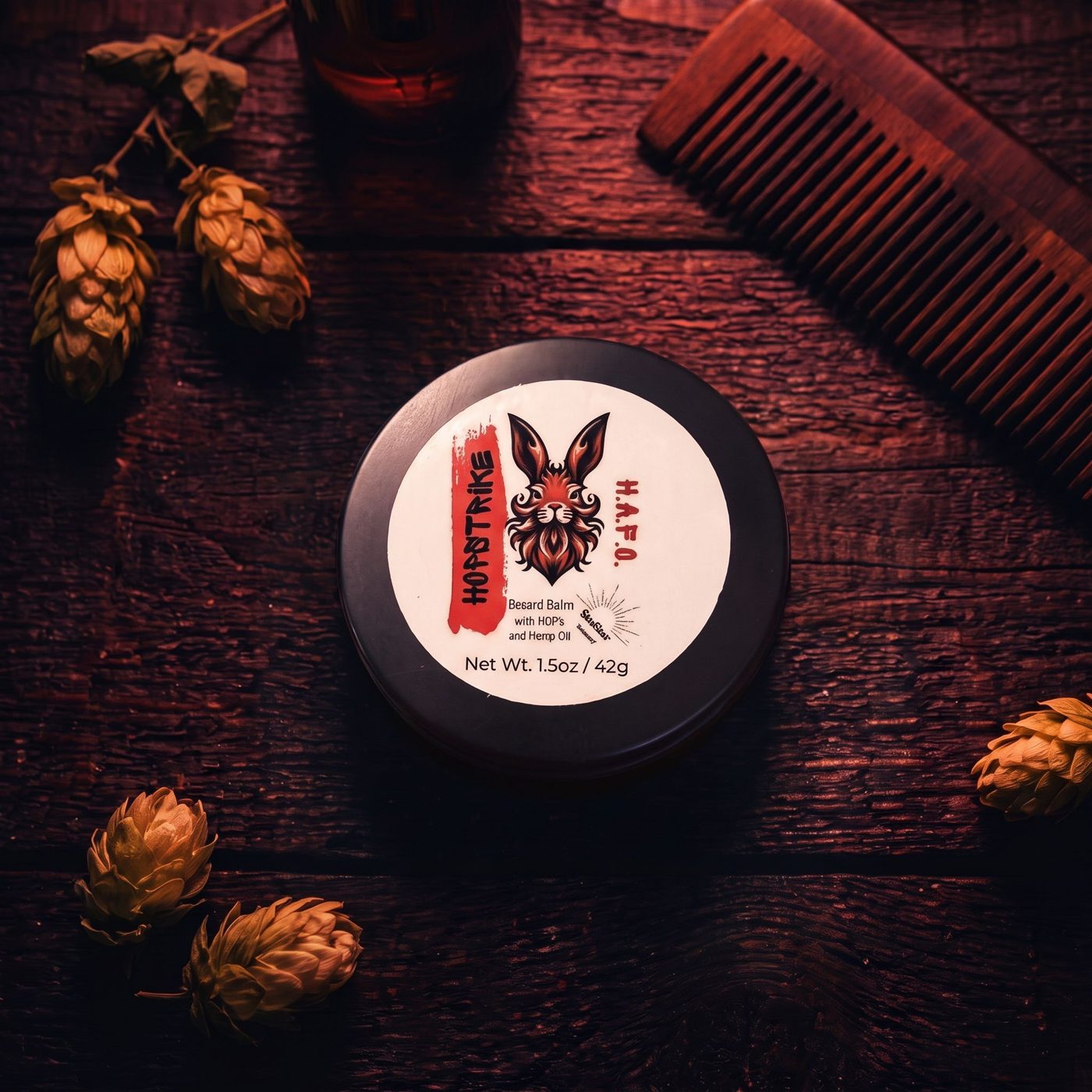
If your skin reacts easily, do a 60 second label scan before you buy any beard product, even one marketed as natural. Check the first five ingredients, scan for fragrance and essential oil names, and look for a short, recognizable list. A study of natural personal care products found that 89.5 percent contained at least one of the 100 most common contact allergens. Natural is not the same as low risk for your skin.
Why can natural beard care still irritate sensitive skin?
"Natural" is a marketing word, not a regulated safety category. A product can be plant derived and still carry compounds that trigger contact dermatitis in reactive skin.
Essential oils are the biggest offender here. Lavender, tea tree, citrus oils, and cinnamon bark all show up in natural beard oils and balms, and all are known contact allergens for a portion of users. The research backs this up at scale: that 89.5 percent figure came from testing real, retail natural products against the American Contact Dermatitis Society's list of the 100 most prevalent allergens, not from lab-only worst cases.
Contact dermatitis itself is common. It ranks as the fifth most prevalent skin disease in the US, with direct medical costs over 1.5 billion dollars a year. If your beard skin gets itchy, red, or bumpy after switching products, you are not imagining it and you are not alone.
What are the most common label clues that a product may be risky for you?
You do not need a chemistry degree to spot the patterns. Run this checklist in under a minute:
- "Fragrance" or "parfum" listed alone. This can legally hide dozens of undisclosed compounds.
- Essential oil names near the top of the list. Lavender, tea tree, lemongrass, cinnamon, and clove are frequent reactors.
- Long ingredient lists with unfamiliar botanical names. More variables mean more chances for a reaction.
- "Natural fragrance" or "essential oil blend." Vague blend names without a full breakdown are still fragrance.
- Marketing words like "aromatherapy" or "scent therapy." These almost always mean added essential oils, not just carrier oil scent.
If you want a deeper walkthrough of exactly which fragrance and essential oil ingredients tend to cause problems, we wrote a full breakdown in our fragrance and essential oils post. It is worth reading once, then keeping as a reference.
How do you do a simple patch test for a new beard product?
A patch test is a low-risk way to check a new product before it touches your whole beard and jawline. This is a general skin-care practice, not a medical procedure, and it does not replace advice from a dermatologist if you have a known skin condition.
Here is a basic version:
- Apply a small amount of the product to a discreet patch of skin, like your inner forearm or behind your ear.
- Leave it alone for 24 to 48 hours without washing that spot.
- Watch for redness, itching, swelling, or bumps.
- If your skin stays calm, try a small amount on a small section of your beard before going all in.
- If you see irritation at any point, stop and rinse the area with water.
Patch testing takes patience, but it is faster and cheaper than dealing with a reaction across your entire jawline and neck.
What should you do if you have reacted to fragrance before?
If you already know fragrance is your trigger, treat every new label as a suspect until proven otherwise. Past reactions are one of the strongest predictors of future ones.
A few practical habits help:
- Read past the front label. Marketing copy can say "unscented" while the ingredient list still shows a masking fragrance. Check the actual ingredients, not just the headline.
- Keep a short list of oils that bothered you before. Cinnamon, clove, and citrus oils are common repeat offenders.
- Ask before you buy, not after. If a product page or shop does not list full ingredients, that is a signal to ask directly rather than guess.
- Favor short, named ingredient lists over long blends. Fewer named oils means fewer unknowns.
This is also a good moment to revisit our post on dry, itchy, tangled beard care, since irritation and dryness often show up together and get confused for each other.
How do you build a routine with fewer variables?
The fastest way to protect sensitive skin is to reduce how many new ingredients you introduce at once. A simple, short-ingredient routine gives your skin fewer chances to react and gives you a clearer signal if something does go wrong.
A lower-variable routine looks like this:
- One cleanser, used consistently, before you add anything else.
- One oil or balm at a time, patch tested first.
- No stacking of three or four new scented products in the same week.
- A short pause (a few days) between introducing new products, so you can trace a reaction back to its source if one shows up.
When you are ready to shop with this approach in mind, our products page lists ingredients up front so you can scan them the same way you would scan any label, no guessing required.
What is the fastest way to start being label-savvy?
You do not need to memorize a full allergen list to protect your skin. Look for hidden "fragrance" listings, watch for essential oils near the top of the ingredient list, and favor short, named ingredient lists over long unfamiliar ones. Patch test anything new, and keep a mental note of what has bothered you before.
If you want more guidance without digging through every post yourself, our free resource walks through beard care basics for sensitive and reactive skin, built around the same label-reading habits covered here. It is a good next step if you are still narrowing down what your skin actually tolerates.
Sensitive skin does not mean you are stuck with harsh, stripped-down products. It means you read a little more carefully before you buy, and you give your skin a fair, low-stakes test before committing to a full routine. That's the whole method: fewer surprises, fewer variables, and labels you actually understand before the product touches your face.
What does hop-infused care feel like in real life?
It feels like less itch and more swagger you did not have to fake. Warm a few drops of oil in your palms. Work them into the skin under the beard first, then comb through. Keep the fire. Lose the scratch. If the day runs long, a light balm pass keeps flyaways honest without looking shiny.
- Soft beard. Hard to ignore.
- Smolder responsibly.
- Start Your Ritual when you want the short guide.
- Visit the shop for oil, balm, and bars.
How HAFO handles fragrance
HAFO scents with skin-safe fragrance oils that Erin and Aaron researched for sensitive skin. Pure essential oils were on the table, but at the strengths a beard product needs they would have priced HAFO out of its local market. If you have a true fragrance sensitivity, patch test first and reach out before you buy: honesty beats a wasted bar.